MECCHA CHAMELEON Max Players and Lobby Size
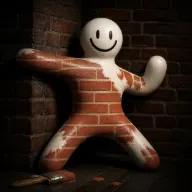
Max-player searches are really lobby-planning questions. This page explains how to verify the current room limit, why smaller teaching rooms may work better, and how player count changes private-server setup, modes, streaming, and custom-map tests.
Quick Answer
Treat the maximum player count as a room setting to verify in the current build, not as the best size for every match. Third-party guides report max-player context, but hosts should confirm the live room UI before planning a session.
For first-time groups, use fewer players than the maximum so hiders can learn paint/pose and seekers can review mistakes. Increase only after the room understands modes, maps, and voice/chat flow.
Real article image
Use the lobby-capacity article image, then verify the current room UI.
The GamesRadar article image gives the page a real visual anchor for max-player searches, but the answer stays practical: confirm the live room setting, then decide whether the maximum is actually right for your group.
Open GamesRadar guide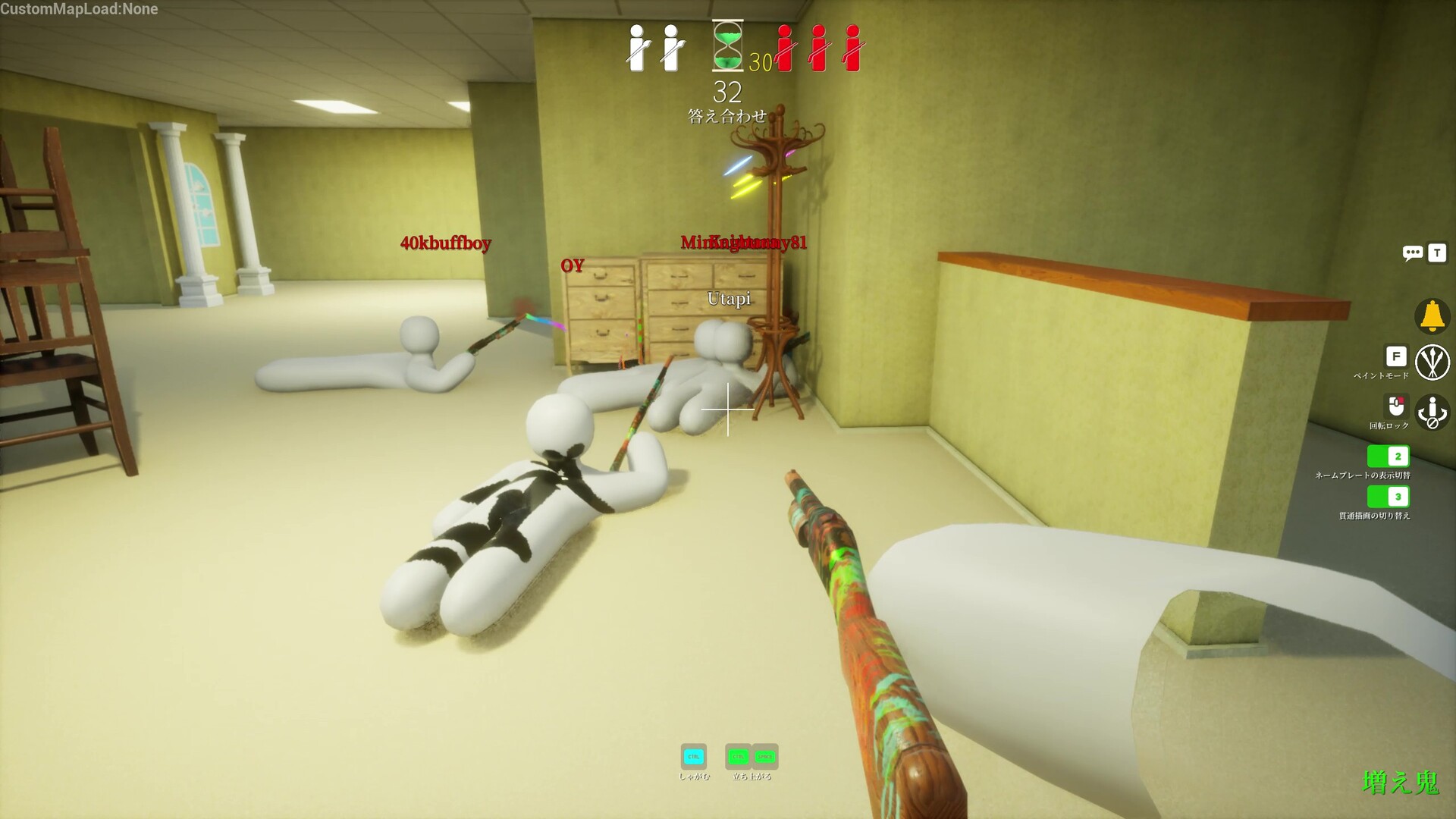
Current status table
A capacity page should answer both the number question and the practical host question.
| Question | Current answer | How to verify |
|---|---|---|
| Where do I verify max players? | In the current room/server settings and source guides. | Create a room and check the player-count field. |
| Should I always use the max? | No. Teaching rooms benefit from fewer players. | Start smaller and increase after the group learns the loop. |
| Does mode affect capacity feel? | Yes. Infection/Double pressure grows with player count. | Read Modes before a large room. |
| What about streams? | Capacity must be paired with privacy and moderation. | Use Streamer setup. |
How to verify before you trust a result
Create a room and inspect the current player-count setting before posting plans.
Compare the setting with current third-party guide context and Steam Community notes.
Choose fewer players for teaching rounds, larger rooms only after the group can self-correct.
Retest after updates that affect servers, tags, full-room visibility, or modes.
For streams, prepare overlay privacy, viewer rules, and fallback invite paths before opening the room.
Common mistakes
The maximum number is not always the best match size.
| Mistake | Why it creates bad advice | Better action |
|---|---|---|
| Treating the listed max as the default room size | Large rooms can hide basic mistakes from new players. | Teach with a smaller room first. |
| Ignoring mode pressure | Infection or Double can become chaotic faster than Basic. | Match player count to mode and experience. |
| Planning a stream without privacy rules | More players means more room-detail exposure risk. | Use streamer setup and lobby fix pages. |
Lobby size planner
Use max-player content as a planning tool, not only a number. The best room size depends on player experience, mode pressure, voice/chat coordination, map familiarity, and whether the room is private, public, or streamed.
| Room goal | Suggested direction | Why |
|---|---|---|
| Teach controls | Use a smaller private room. | Players can test paint, pose, chat, and tag without noisy pressure. |
| Regular friends | Increase count gradually. | The group already knows the loop and can review mistakes faster. |
| Streamer/viewer night | Use clear rules and privacy-safe sharing. | More players create more moderation and room-detail exposure risk. |
| Custom-map test | Start small even if the max is higher. | Every player must load the same map before the room scales. |
FAQ
What is the MECCHA CHAMELEON max-player count?
Use current room settings and source guides to verify. This page treats the number as patch-sensitive room configuration rather than a permanent universal rule.
Should beginners use the maximum player count?
Usually no. Smaller rooms make controls, hiding mistakes, and seeker habits easier to review.
Does player count affect modes?
Yes. Infection and Double can become much harder to read as count rises. Match the count to the mode and group experience.