MECCHA CHAMELEON Modes

Use this MECCHA CHAMELEON modes guide to choose the pressure your group actually wants: Basic teaches the clean hide-and-seek loop, Infection turns every catch into more hunters, Double makes everyone hide first and hunt afterward, and new mode rows such as Reverse Chicken Race need current-lobby confirmation.
Best mode for beginners
Start with Basic because it isolates the core loop: choose a believable spot, paint and pose, then let hunters practice scanning the room. Move to Infection only after hiders understand why they were found, because each catch increases pressure on everyone still hiding. Save Double for groups that can already explain both jobs, since every player has to hide and hunt in the same round.
If you are hosting for new players, treat MECCHA CHAMELEON modes as teaching presets: Basic for fundamentals, Infection for pressure, Double for mixed-role awareness, and any speed variant only after the room can explain the normal rule.
Mode decision visuals
Match each mode to a visible in-game cue.
These screenshots are selected for the exact decisions in the table below: Basic needs paint-and-pose practice, Infection adds timer and hunter-count pressure, and Double should wait until players can read busy rooms from both roles.
Review settings below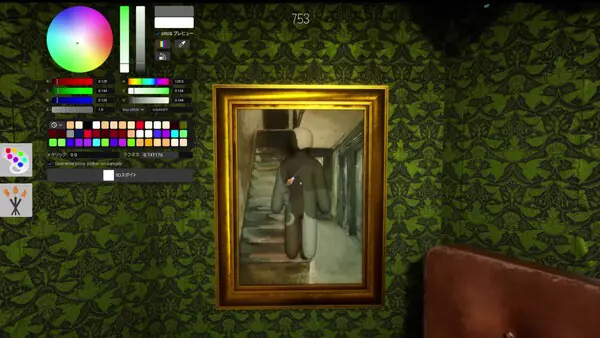
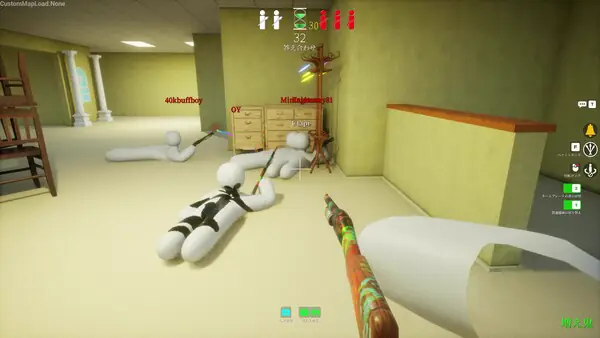
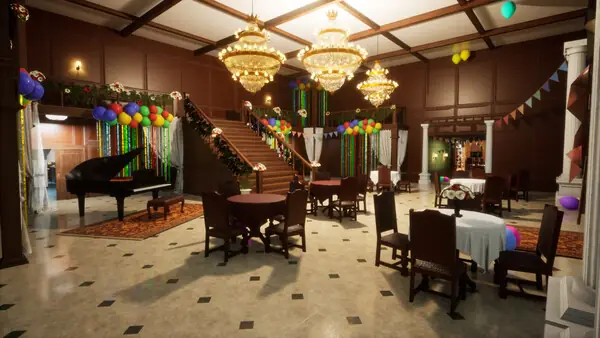
Official Steam screenshotsOfficial Steam screenshots selected for the mode decision cues above
Mode comparison table
| Mode | Core rule | Win pressure | Best lobby use | Host checks |
|---|---|---|---|---|
| Basic | Players split into hiders/runners and hunters; hiders paint, pose, and survive the search. | Hunters need to catch every hider before time runs out; one survivor can swing the round for hiders. | First friend matches, teaching controls, and reading normal room flow. | Paint time, search time, player count, room visibility, map, and whether eliminated Basic players behave as expected after recent patches. |
| Infection | A caught hider joins the hunters instead of simply waiting out the round. | Every catch increases search pressure, so the last hiders face a growing hunter count. | Groups that already understand Basic and want a louder, faster finish. | Starting hunter count, conversion rule, timer length, and whether the group can handle escalating voice/chat noise. |
| Double | Everyone hides at the start, then everyone searches after the hide phase. | Sources describe the finish around finding other players after the search begins; confirm the current scoring screen for tie or most-find behavior. | Players who know the maps and want both hiding and hunting in the same round. | Hide time, search time, scoring display, player count, and whether new players understand that they must both hide well and hunt quickly. |
Settings to confirm before launch
Choose the mode before changing map or player count; otherwise it is hard to know what made the round confusing.
Keep teaching rooms below the reported by source high-count range; public guides mention 24-player support, but smaller lobbies are easier to explain and review.
Set paint/prep time long enough for new hiders to test surface, color, pose, and silhouette.
Set search time and taunt behavior so hunters can learn scanning instead of panic-clicking.
If a patch note adds a variant such as Hi-Speed Mode, treat it as a separate test round rather than mixing it into the first match.
Reverse Chicken Race watch note
update2.4.0 adds Reverse Chicken Race as the mode to confirm, and update2.5.0 notes fixes for that mode plus an Osaka map update. Keep exact objective and scoring language on the dedicated page until the live lobby text and player tests are checked, then use this main mode page for the broader choice between teaching, pressure, role-switching, and fresh update experiments.
After-round mode review
| If the round felt... | Likely cause | Next adjustment |
|---|---|---|
| Too slow | Search time, player count, or map size did not match group skill. | Shorten the round, reduce count, or choose Infection after everyone knows Basic. |
| Too chaotic | Conversion, Double hunting, or large-room voice traffic overloaded players. | Return to Basic or lower player count before changing maps. |
| Unfair for hiders | Hunters learned scan paths faster than hiders learned surfaces. | Add prep time and send hiders to the painting guide or Camo Lab. |
| Unfair for hunters | Hiders had too many strong surfaces and hunters lacked a scan plan. | Keep Basic, reduce map complexity, and review seeker tips before changing mode. |
How to choose a mode for the group
Mode choice and server size should be separated. Pick the rule that matches the learning goal first, then choose a player count the group can actually read and review.
Basic is the teaching mode: use it when players still need to learn paint, pose, scanning, and normal win pressure. Infection is the pressure mode: use it when the room wants conversions and a louder finish. Double is the role-switch mode: use it when players are ready to hide well and hunt quickly in the same round.
For a new group, write one review note before changing anything else: did the mode, map, player count, timer, or player habit make the match harder to learn? That single note is more useful than cycling every setting after a bad round.
| Group goal | Good starting point | Watch for |
|---|---|---|
| Teach new players | Basic with a modest room size and normal timers. | Large player counts before people know paint, pose, and scan paths. |
| Add pressure | Infection after the room understands Basic. | Players becoming hunters without knowing why they were caught. |
| Test both roles | Double after everyone has played both hider and hunter once. | New players hiding badly, then also failing to search quickly. |
| Stream or viewer night | Basic first, then Infection if chat wants a louder finish. | Publicly exposing room name, password, invite links, or Steam IDs. |
| Experiment with max players | Increase count only after the room flow is stable. | Treating the maximum supported setting as the best setting for every group. |
FAQ
Which mode should beginners choose?
Choose Basic for the first room. In the MECCHA CHAMELEON modes set, Basic teaches the normal hider-vs-hunter loop without conversion pressure or everyone-hunts-at-once scoring.
Are Basic, Infection, Double, and Reverse Chicken Race current?
Current public guides describe Basic, Infection, and Double, while update2.4.0 adds Reverse Chicken Race and update2.5.0 reports additional mode fixes. Hosts should still read the live lobby list before presenting the mode set as complete.
Can mode details change after patches?
Yes. Patch notes have already touched mode-adjacent behavior, including Hi-Speed Mode and Basic Mode visibility after elimination. Use the maps/updates page when a rule feels different from this guide.