Paint Note #01
Pick the surface before the color
A good hide starts with a wall, floor, prop cluster, or shadow that already explains why your shape belongs there.

Use these MECCHA CHAMELEON tips as a round-review checklist. Hiders improve by choosing a believable surface, matching color and pose, then staying still; hunters improve by scanning silhouettes, repeated objects, corners, and movement before tagging. Keep MECCHA CHAMELEON tips tied to one visible mistake per round.
A good hide starts with a wall, floor, prop cluster, or shadow that already explains why your shape belongs there.
Match the dominant color first, then fix obvious pattern breaks on edges, elbows, back, and side angles.
The pose should make the body read like part of the room, not like a crouched player wearing the right color.
Late movement is often easier to spot than imperfect paint. If a hunter is already sweeping the area, wait for the scan to pass.
Practical read
Use the image pair as a quick test: would the body shape still make sense from the seeker path after the paint, pose, and nearby objects are in place?
Practice with Painting Guide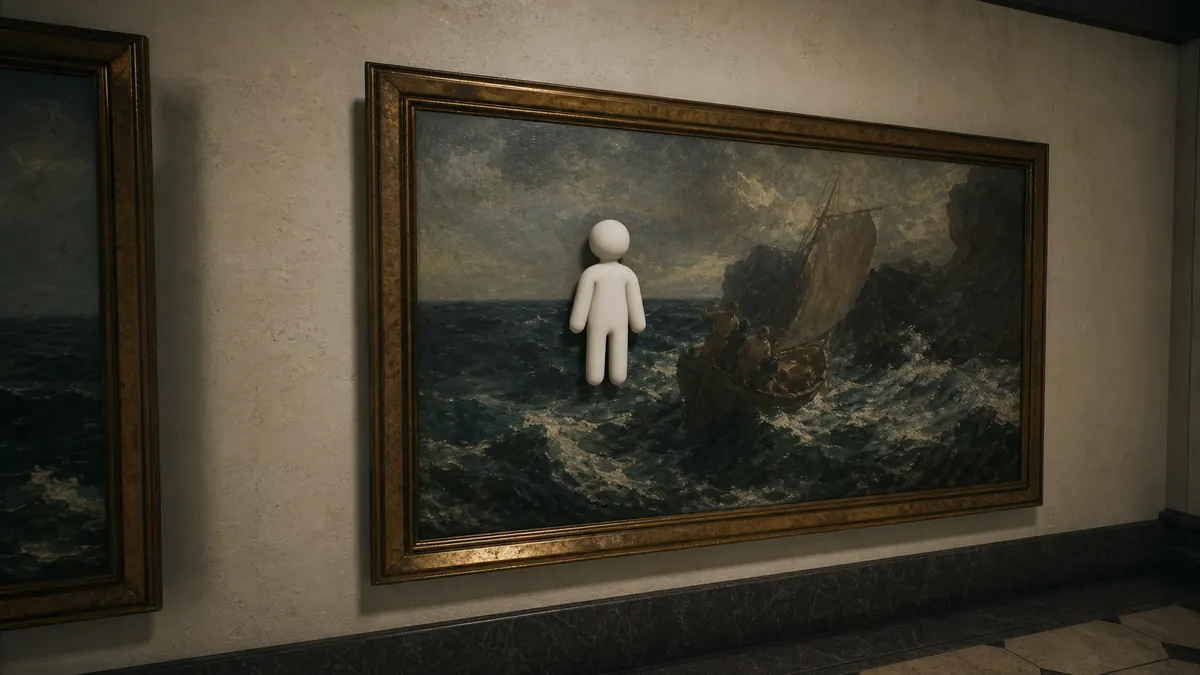
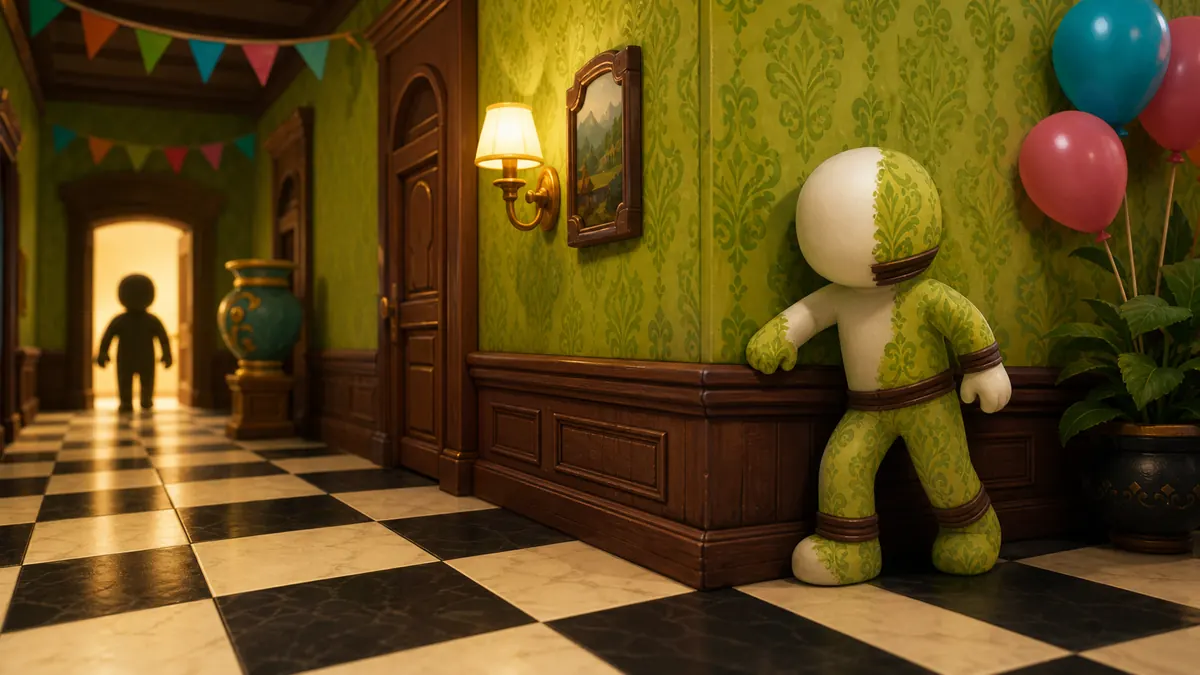
Look for outlines that interrupt shelves, corners, floor edges, repeated props, or wall patterns.
If one shape is angled differently from the rest of a cluster, check it before chasing a bright color elsewhere.
Small corrections, camera panic, or late repositioning are stronger evidence than a single suspicious shade.
Move room by room and clear likely hiding surfaces so the team does not waste time rechecking the same corner.
Painting before choosing the surface.
Matching color but leaving a human-shaped outline.
Hiding alone in an empty area where no object should exist.
Moving after the hunter has already narrowed the room.
Changing mode, map, and player count all at once, then not knowing which change mattered.
Was the location believable before the color match?
Did the dominant color fit the surface during a quick scan?
Did the pose hide the player outline from the seeker path?
Did repeated objects or pattern direction expose the hide?
Did movement reveal the player before color or pose mattered?
Did mode pressure, player count, or a patch change matter more than the hide itself?
Most useful tips reduce to five observable checks: surface choice, dominant color, silhouette, movement, and seeker scan path. Turn each tip into one after-round question instead of collecting a long list of tricks.
If a hider loses, ask what the hunter saw first: a moving body, a strange outline, a color mismatch, an object that did not belong, or a pattern break. If a hunter loses, ask which area was never cleared: corners, repeated props, floor edges, wall patterns, or the route behind the first obvious target.
Keep the next test narrow. Change one habit for one round, then repeat only the lesson that matched what actually happened. That makes practice useful without pretending any hiding spot is permanent.
Hider: Did my object belong where I stood, or did I only match the color?
Hider: Did I move after the seeker had already narrowed the area?
Seeker: Did I scan edges, repeated patterns, and object clusters before chasing motion?
Seeker: Did I over-focus on bright color and miss a silhouette problem?
Group: Did a setting, map, or update make this lesson unreliable for the next round?
For hiders: choose the surface first, then color and pose. For hunters: scan silhouettes and repeated object patterns before chasing one suspicious color.
Pick one visible cause: color, outline, movement, odd placement, seeker path, mode pressure, or map size. Test that one cause next round instead of changing every habit at once.
This page teaches how to judge spots instead of ranking copied locations. Use map-specific guides only as prompts, then test whether the spot still works in the current map, mode, and player count.